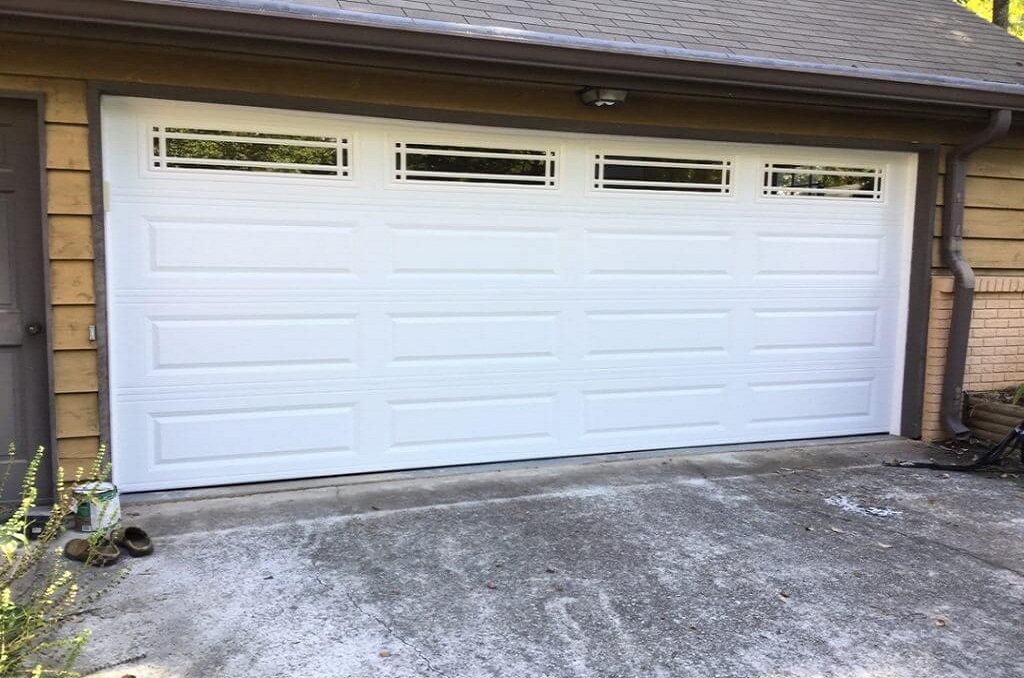
Garage doors are more than just entrances—they’re essential for home security, convenience, and curb appeal. One of the most critical components of a garage door is its springs. Over time, these springs can wear out, lose tension, or even break, making it difficult or dangerous to operate your door. Learning how to change out garage door springs safely not only keeps your garage functional but also prevents costly repairs or accidents.
In this guide, I’ll walk you through the process step by step, sharing insights from years of hands-on experience in garage home repair, safety tips, and a real-life case study to help you understand the importance of proper spring maintenance.
Content
Understanding How to Change Out Garage Door Springs Safely
Garage doors typically require you to change out garage door springs when they wear out, whether they are torsion springs or extension springs. Torsion springs sit above the door and store energy by twisting, while extension springs run along the sides and stretch to balance the door. Both types are essential for lifting and lowering the garage door smoothly.
Why Spring Maintenance Matters
Broken or worn springs can cause uneven door movement, loud noises, or complete door failure. A spring under tension stores a significant amount of energy, and mishandling it can result in serious injury. That’s why learning garage door safety tips is essential before attempting any repairs.
Signs You Need to Change Out Garage Door Springs
Identifying problems early can save you from more extensive repairs. Watch for these signs:
The door is heavy to lift manually
Loud popping or creaking sounds when operating
The door moves unevenly or jerks
Visible gaps or breaks in the springs
If you notice any of these, it’s time to consider garage door spring replacement.
Tools and Materials Needed
Before starting, gather the following tools needed to change garage door springs safely:
Winding bars (for torsion springs)
Adjustable wrench and socket set
Clamps or locking pliers
Safety gloves and eye protection
Lubricant for moving parts
Ladder and sturdy support
Safety equipment is not optional—spring tension adjustment can be dangerous if handled improperly.
Step-by-Step Garage Door Spring Replacement Guide
Here’s my step-by-step guide to safely change out garage door springs based on real-world experience.
Clamp the door to prevent it from moving while working.
Step 2: Release Spring Tension
Using winding bars for torsion springs, slowly release tension.
Never attempt to release spring tension with improvised tools.
Step 3: Remove Old Springs
Carefully detach the old spring when you change out garage door springs, removing it from the center bracket and roller brackets.
Keep a note of how the spring is mounted for reference.
Step 4: Install New Springs
Mount the new spring on the center bracket and side supports.
Wind the torsion spring carefully, following manufacturer instructions.
Step 5: Test and Adjust
Remove clamps and test the door manually.
Ensure smooth, balanced movement before reconnecting the opener.
Pro Tip: Always check for proper lubrication and tight hardware to extend spring life.
Common Mistakes to Avoid When You Change Out Garage Door Springs
Even experienced DIYers can make errors. Avoid:
Over-tightening the springs
Skipping safety gear or using unsafe tools
Failing to check balance before testing
Ignoring minor signs of wear
Following proper precautions can prevent injuries and save you repair costs.
Real-Life Case Study: The Johnson Family Garage Door
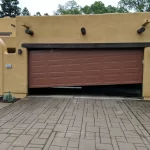
I recently helped the Johnson family in Phoenix to change out garage door springs after they experienced a broken torsion spring. Their garage door was moving unevenly, and loud pops occurred whenever it opened. Attempting to lift it manually caused the door to get stuck halfway. After inspecting,
I found a worn torsion spring that required full replacement. By carefully following safety steps and using proper winding bars, I helped them change out the garage door springs and balance the door. The Johnsons now enjoy smooth, safe garage door operation, making their daily routine much easier. This case reinforced that properly changing out garage door springs is essential for both safety and convenience.
Maintenance Tips for Longevity
Lubricate springs and moving parts every 6 months
Inspect for wear and tear regularly
Avoid manually forcing the door open
Keep the area around springs clear of debris
These tips can help your springs last longer and prevent unexpected breakdowns.
When to Hire a Professional
While many homeowners can manage spring replacement, some situations require professional help:
High-tension torsion springs
Broken springs with significant energy load
Lack of proper tools or safety equipment
Hiring a professional to change out garage door springs ensures safety and guarantees proper installation, protecting you from potential accidents.
Conclusion
Knowing how to change out garage door springs safely empowers you to maintain your garage door and protect your home. By following this guide, using the proper tools, and strictly adhering to safety precautions, you can reduce the risk of injury and extend the lifespan of your entire garage door system.
Regular maintenance also plays a key role—applying a high-quality Garage door lubricant to springs, rollers, and hinges helps minimize friction, prevent wear, and keep the system running smoothly.
If you’re ever unsure or uncomfortable with the process, it’s always best to hire a professional. Expert assistance ensures your garage door operates safely, efficiently, and reliably for years to come.
FAQs
Can I replace my own garage door springs?
DIY is possible but only with proper tools and safety precautions to avoid injury.
Why is it so expensive to replace garage door springs?
Costs reflect high tension, safety risks, and the need for professional tools.
How often should you change the springs on your garage door?
Typically every 7–10 years or after ~10,000 cycles of use.
Is it safe to operate a garage door with a broken spring?
No—broken springs can cause sudden door drops or damage.
Can you manually close a garage door with a broken spring?
Only with extreme caution; the door may be heavy and unbalanced.