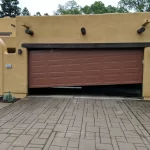
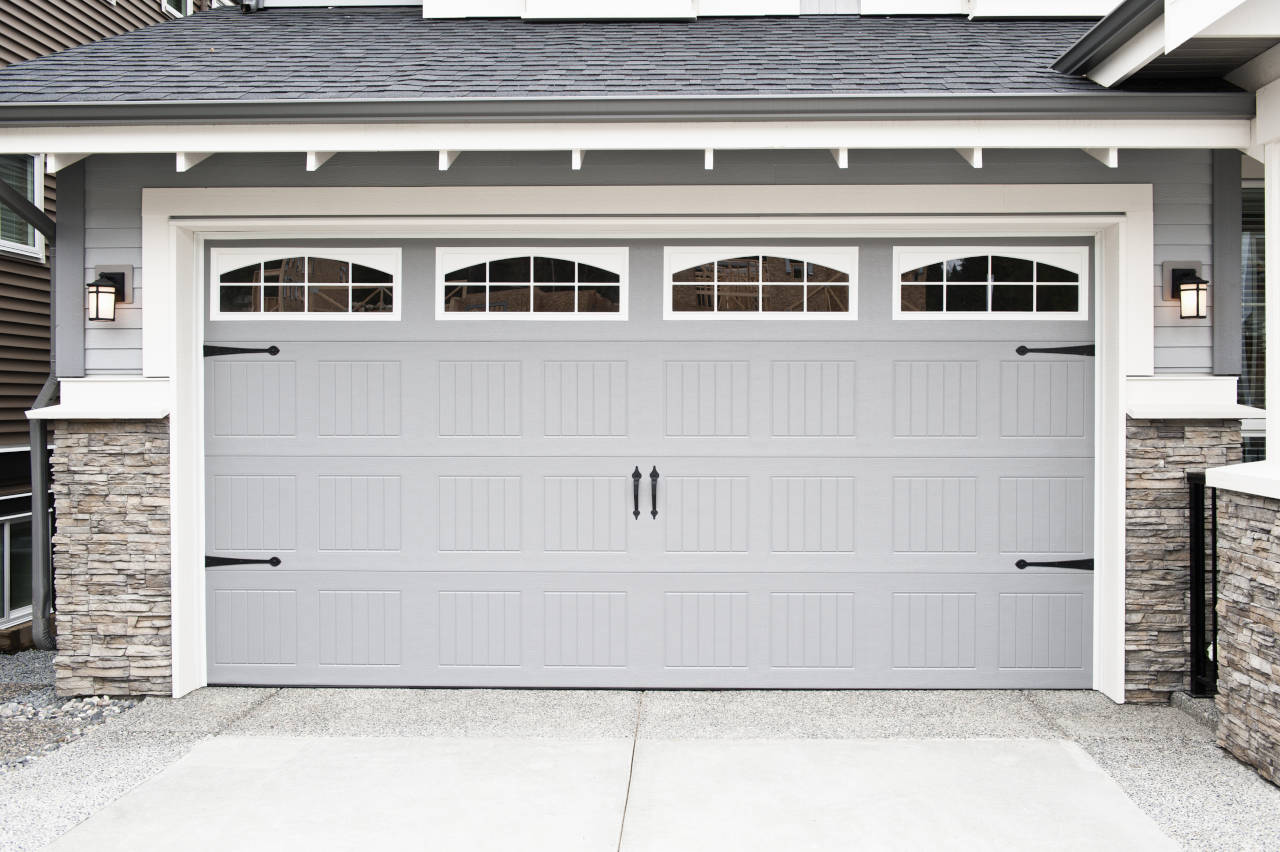
You hit the button. The door starts coming down. Gets about six inches from the floor and shoots right back up. You try again. Same thing. Down, almost closed, back up. Now you are just standing in your driveway pressing the button over and over like that is going to change anything.
I have worked on reversal issues across just about every opener brand out there, and it ranks among the most common calls I get. Most of the time, the fix takes less than ten minutes. But people tend to live with it for weeks, maybe months, and by then a $50 adjustment has snowballed into a $300 repair because other parts have started wearing from the repeated stress.
Here are the most likely reasons your door keeps going back up, and what you can do about each one.
Content
How the Auto-Reverse Actually Works
Every garage door opener sold after 1993 has a built-in safety mechanism that forces the door to reverse if it senses an obstruction or unusual resistance during the closing cycle. So the door going back up is not a glitch. The opener genuinely believes something is in the way. Your job is to figure out what is triggering that belief.
The Usual Causes, Ranked by How Often I See Each One
1. Dirty or Misaligned Safety Sensors
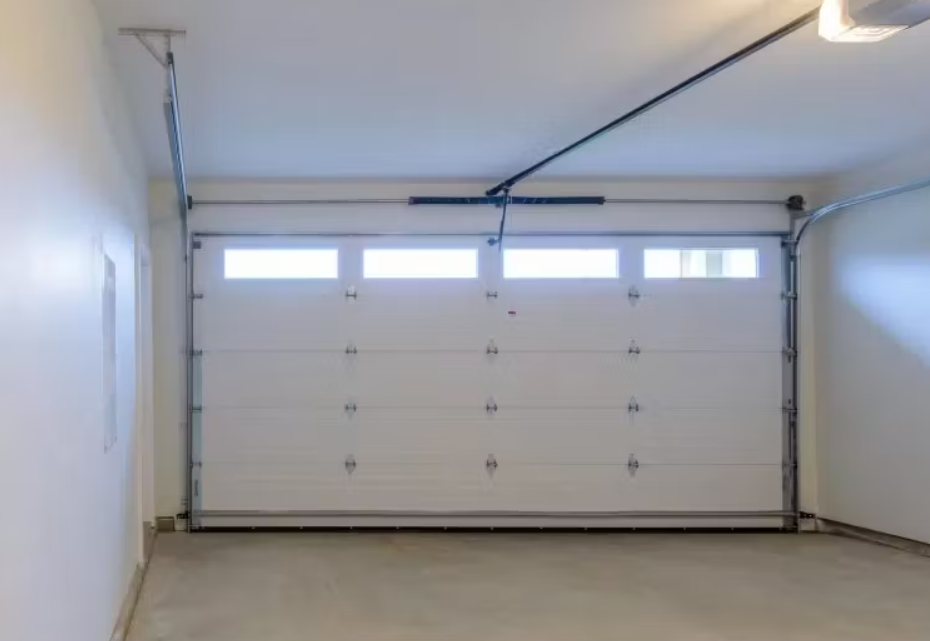
Two small sensors sit at the bottom of your garage door tracks, about six inches off the ground, facing each other. One sends an infrared beam and the other receives it. If anything breaks that beam, the door goes back up.
Here is the part most people miss: a physical object does not need to be blocking the beam for a reversal to happen. A film of dust on the lens will do it. A single cobweb stretched across one sensor will do it. Direct afternoon sunlight hitting the receiver at a certain angle will do it. I have seen sensors get knocked out of alignment by a kid’s soccer ball or a broom handle leaning against the track.
Check the LED lights on both sensors. A steady green on the sender and a steady green or amber on the receiver means the alignment is good. A blinking light on either one means the signal is broken.
2. Close-Limit Set Wrong
The close-limit tells the opener exactly how far the door should travel before the closing cycle is considered done. If that setting is pushed too far past the actual floor level, the door hits the concrete and the motor keeps trying to push it further. The opener reads that resistance as a blockage and reverses.
I run into close-limit problems a lot in newer construction where the installer rushed through the calibration, and also in older homes where the garage floor has settled a bit over the years, shifting the distance by half an inch or so. On most openers, a small screw or dial on the back of the motor unit controls the close-limit. Quarter-turn adjustments, testing after each one, will usually get it dialed in. If you are not comfortable messing with it, any decent technician can sort it out during a quick visit.
3. Down-Force Setting Too Low
Separate from the limit switch, every opener has a force setting that controls how hard the motor pushes during operation. If the downward force is too low, the door cannot push through the normal resistance of the weatherseal compressing against the floor, and the opener treats that resistance as an obstruction.
The down-force adjustment works similar to the limit. A small dial or screw, usually labeled on the unit. Go in small increments. Cranking the force all the way up defeats the safety purpose, and if the door still reverses after two or three small bumps to the force, stop. Something else is causing the problem.
4. Worn Rollers or Damaged Tracks
A door that does not glide smoothly needs more force to close. Worn-out rollers create extra friction. A dent or bend in the track creates a pinch point the door has to muscle through. Once the resistance crosses a certain threshold, the auto-reverse kicks in.
Disconnect the opener using the emergency release cord and run the door halfway down by hand. Watch how it moves. Any jerking, grinding, or spots where the door seems to stick means the rollers or tracks need work. Nylon rollers last longer and produce far less friction than steel. If you are swapping out a worn set, nylon is the better investment.
5. Weakening Springs
The springs handle the actual heavy lifting. The opener motor is really just providing direction and a gentle push. If a spring is losing tension or about to snap, the door gets heavier for the motor to deal with. That added load can trigger reversals, especially during the last few inches of travel where spring tension is at its weakest point.
Signs of a weakening spring usually show up before the reversal problem starts. The door feels noticeably heavier to lift by hand. It slams shut harder than it used to. The opener motor sounds like it is straining. If any of that rings true, get the springs looked at. Do not attempt spring work yourself. A wound torsion spring stores enough energy to do real damage.
6. Warped or Swollen Panels
Wood garage doors warp and swell with humidity shifts. Steel and aluminum doors can develop slight bows after taking an impact. A warped section puts uneven pressure on the tracks as the door closes, and the opener may read that inconsistency as something blocking the path.
Check the door from inside the garage with it fully closed. Look along the bottom edge. If one side has a gap while the other side is flush, or if the seal is not making even contact across the full width, a panel problem might be contributing.
Fixing It: The Order I Follow on a Service Call
Always start simple and work up from there:
Wipe the sensor lenses. Soft cloth, glass cleaner. Takes 30 seconds. Solves the problem roughly 4 out of 10 times.
Check sensor alignment. Both LEDs should hold steady, no blinking. If one blinks, nudge the bracket gently until the light locks on.
Clear the path. Cobwebs, leaves, a shoe that rolled near the track, a kid’s toy. Anything within six inches of the sensors.
Test the door by hand. Pull the emergency release, lift and lower manually. Smooth movement means the problem is with the opener settings. Grinding or catching means the issue is mechanical.
Adjust the close-limit. Quarter turns, test each time. Stop once the door closes fully and stays down.
Bump the down-force. Only if the limit did not fix it. Small turns. Do not max it out.
If you have gone through all six steps and the door is still reversing, the cause is almost certainly mechanical. Worn rollers, track damage, failing springs, or a warped panel. At that point, calling a professional saves time and prevents further damage to the system.
Elite Garage Door Repair is one of the best garage door service providers in Roseville, California, known for handling reversal diagnostics, opener calibration, and same-day spring and track repairs. If you are in the Roseville, Rocklin, or Granite Bay area and the DIY route did not get it done, worth giving them a call.
Keeping the Problem from Coming Back
Spending 20 minutes on your garage door twice a year will prevent most of the issues above. Here is what actually matters:
Wipe sensor lenses every few months. Dust and pollen build up fast, especially in spring and fall.
Spray silicone lubricant on rollers, hinges, and the track rail twice a year. Skip the WD-40. It is a solvent, not a lubricant, and it attracts grime.
Look at the springs for rust, gaps between coils, or lopsided stretching. Do not touch or adjust torsion springs. Just look.
Run the 2×4 test monthly. Lay a board flat on the ground under the door and press close. The door should reverse the instant it contacts the wood. If it does not, the sensors or force settings need attention.
Pay attention to sounds. A garage door that suddenly got louder or more strained is telling you a part is on its way out.
Homeowners who catch problems early pay $75 to $150 for a quick fix. Homeowners who let it ride for six months end up paying $400 or more because by then the rollers are shot, the track is bent, or the opener gear has stripped from fighting against the resistance.
FAQs
Can a garage door reversal be dangerous?
The reversal itself is not dangerous. It is a safety feature doing what it was designed to do. But bypassing the sensors or cranking the force settings to maximum to “solve” the problem creates a real hazard. A closing garage door puts out several hundred pounds of force. Keep the safety systems intact and fix the root cause instead.
How much does it cost to fix a reversing garage door?
Sensor cleaning is free if you do it yourself. A professional service call for sensor alignment or limit/force adjustment typically runs $75 to $150. Roller or track repairs cost $100 to $250 depending on parts. Spring replacement for a reversal caused by weak springs runs $180 to $350 for a pair.
My door only reverses on really hot days. Why?
Metal tracks expand in heat. That expansion tightens the tolerances and creates extra friction the door has to push through. If the force setting is already at the low end, a hot day can push it past the reversal threshold. A small bump to the down-force setting usually takes care of seasonal reversal.
Should I just disconnect the sensors to stop the reversing?
No. Removing or bypassing the safety sensors eliminates a critical protection layer, especially around children and pets. Federal safety standards require functioning sensors on automatic garage door openers. Find the actual cause. Fix it properly. The sensors are there for a reason.