
As someone who has worked for years in garage home repair, I’ve seen firsthand how choosing the wrong garage door size can turn a simple upgrade into a frustrating (and costly) experience. Homeowners often assume garage doors are “one size fits all,” but in reality, understanding standard garage door sizes is essential for smooth installation, daily convenience, and long-term durability.
This guide breaks everything down in clear, simple language—using real-world examples and practical advice—so you can confidently choose the right fit for your home or garage.
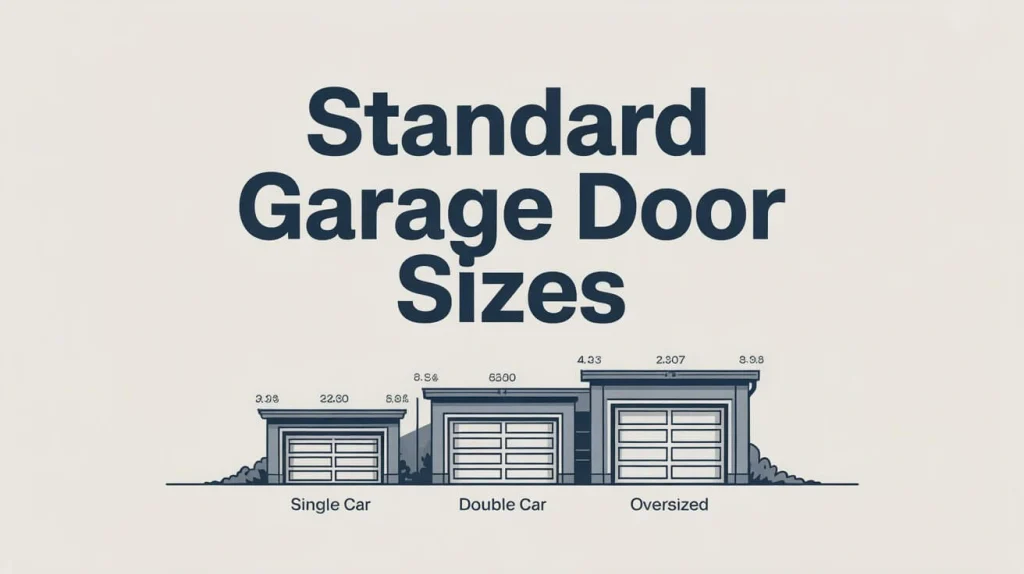
Content
Why Standard Garage Door Sizes Matter More Than You Think
Garage doors aren’t just about looks. Standard garage door sizes directly affect:
- How easily you park your vehicle
- Whether your garage can be used for storage or a workshop
- Energy efficiency and insulation
- Installation cost and timeline
Over the years, I’ve helped homeowners who couldn’t open their truck doors properly or scrape roof racks because their garage opening dimensions weren’t planned well. Knowing common garage door dimensions early saves time, money, and stress.
Understanding Common Garage Door Dimensions
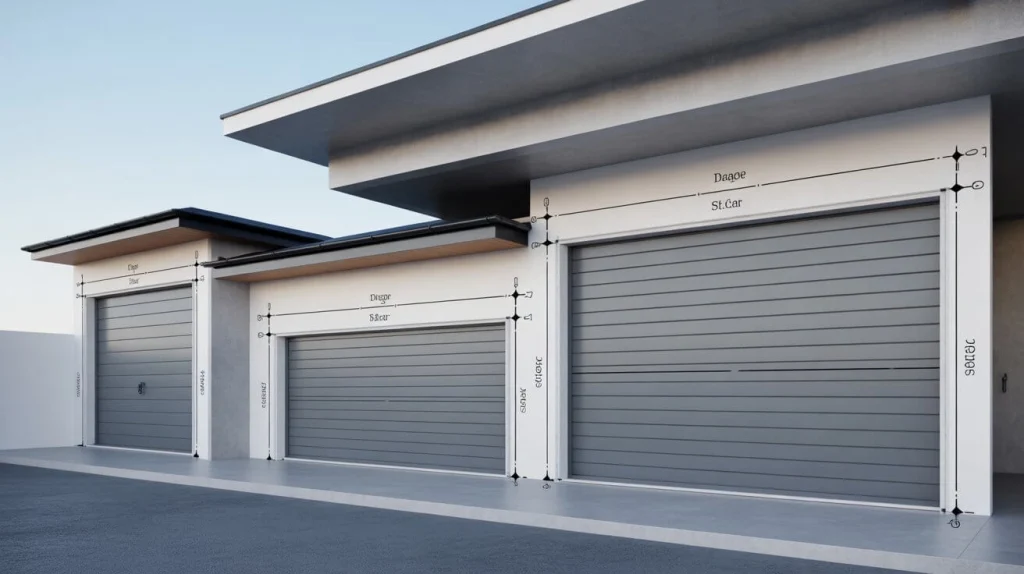
Most manufacturers follow standard measurements, which makes replacement easier and more affordable. These dimensions are based on typical residential construction and vehicle sizes.
Standard Single Garage Door Size
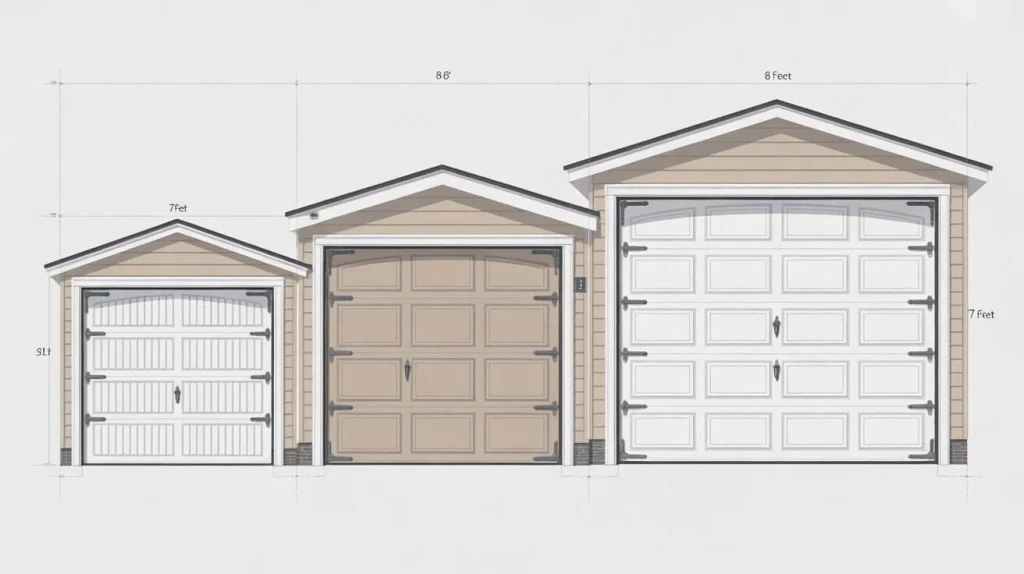
The most common standard single garage door size is:
- Width: 8 to 9 feet
- Height: 7 feet
This size works well for compact cars and sedans. However, many modern homes now prefer a 9×7 garage door to allow extra clearance.In my experience, homeowners with SUVs often regret choosing an 8-foot-wide door. A few extra inches can make daily parking far more comfortable.
Standard Double Garage Door Dimensions
For two-car garages, the typical standard double garage door dimensions are:
- Width: 16 feet
- Height: 7 feet
This is the most popular option for suburban homes, as standard garage door sizes like 16-foot-wide doors suit most layouts. Some newer builds opt for 18-foot-wide doors for better maneuverability, especially if the garage doubles as storage.
Garage Door Sizes for One-Car and Two-Car Garages
When planning or upgrading, it helps to match the door to your lifestyle:
One-car garages:
Ideal for small families or urban homes. A 9×7 door provides flexibility without major structural changes.
Two-car garages:
A 16×7 door is standard, but families with larger vehicles may benefit from extra width.
Choosing the right garage door sizes for one car and two car garages ensures you won’t outgrow your space in a few years.
Residential Garage Door Measurements You Should Know
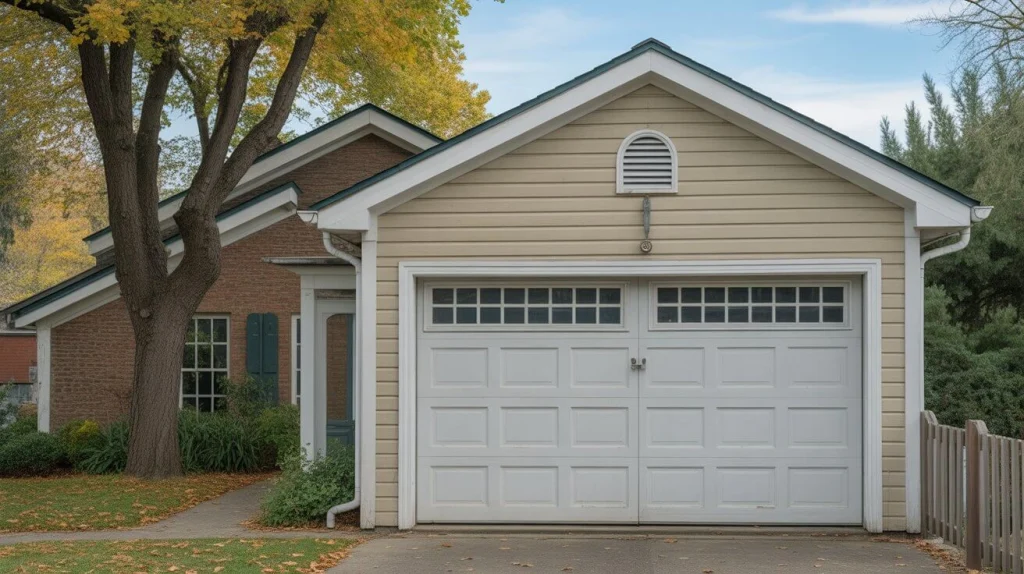
Beyond width and height, proper installation depends on several measurements:
- Headroom: Space above the door opening (usually 12–14 inches)
- Sideroom: Space on each side of the opening (at least 3–5 inches)
- Backroom: Space inside the garage for the door to open fully
These residential garage door measurements are critical. I’ve seen many DIY projects stall because headroom wasn’t measured correctly.
How to Measure Garage Door Opening Correctly
If you plan to replace or install a new door, follow these steps carefully:
- Measure the width of the opening from side to side
- Measure the height from the floor to the top
- Measure headroom above the opening
- Measure sideroom on both sides
- Measure backroom depth
Knowing how to measure standard garage door sizes correctly avoids ordering mistakes and installation delays.
Garage Door Size Chart (Quick Reference)
While every home is unique, a simple garage door size chart can help you compare options:
- Single car: 8×7, 9×7
- Double car: 16×7, 18×7
- RV garage: 10–14 feet high
This chart is often the first thing I show homeowners during consultations.
When Standard Garage Door Sizes Don’t Fit Your Home
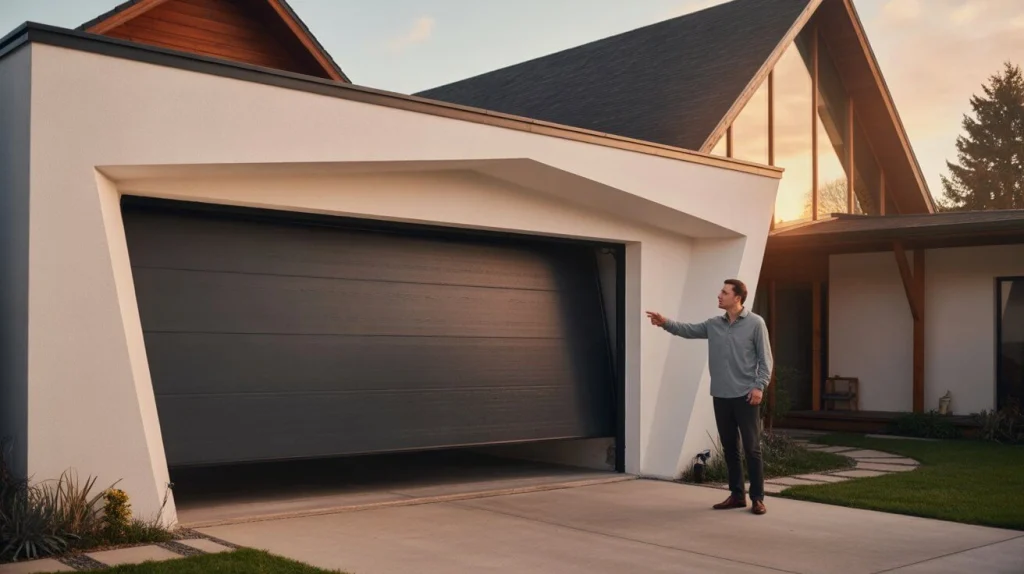
Not every garage fits neatly into standard dimensions. You may need a custom door if:
- Your home has unique architecture
- You own oversized vehicles or vans
- Your garage was built decades ago
Custom solutions cost more, but they prevent daily inconvenience and long-term damage.
Real-Life Case Study: A Practical Lesson from the Field
A recent client, Ahmed, owned a pickup truck with a roof rack. His garage had an older 8×7 door, which technically “fit” the truck—but just barely. Every entry required slow maneuvering, and one mistake dented the rack.We upgraded to a 9×8 door. The difference was immediate: easier parking, better airflow, and increased resale appeal. This real-world example shows why understanding what are standard garage door sizes for homes can directly improve daily life.
Choosing the Right Size for Long-Term Comfort
From my professional experience, I always recommend planning for the future. Vehicles are getting bigger, and garages are no longer just parking spaces—they’re gyms, workshops, and storage areas.By understanding standard garage door sizes, considering your vehicle needs, and using proper measurements, you can choose a door that works today and tomorrow.
Final Thoughts from a Garage Repair Expert
A garage door is one of the largest moving parts in your home. Getting the standard garage door sizes right ensures safety, functionality, and peace of mind. Proper garage door maintenance also extends the life of your door. Whether you’re building new or replacing an old door, investing time in understanding these sizes pays off in the long run. If there’s one lesson I’ve learned over the years, it’s this: measure carefully, think ahead, and never underestimate the impact of the right garage door size.
FAQs
What are standard garage door sizes?
Standard garage door sizes range from 8×7 ft for single doors to 16×7 ft for double doors.
What is the average size of a 2 car garage door?
The average 2 car garage door is 16×7 ft, though some homes use 18×7 ft for extra space.
What size garage door for a full-size truck?
Full-size trucks typically need 9×8 ft doors or larger for safe clearance.
How big is a full-size garage?
A full-size garage usually ranges from 20×20 ft to 24×24 ft for two vehicles and storage space.
Is 30×30 a good size garage?
Yes, a 30×30 ft garage provides ample space for vehicles, storage, and a workshop area.

Monica, the tech-savvy genius, knows how to add a modern touch to your garage. With her help, you can turn your garage into a high-tech paradise.