
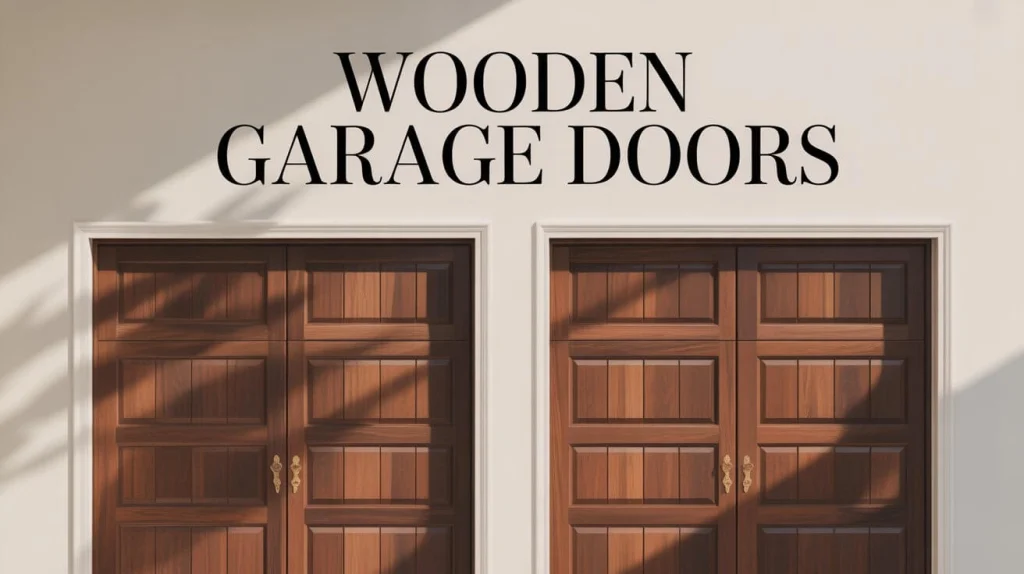
Wooden garage doors have a timeless charm that can instantly elevate the curb appeal of any home. As a garage door repair and installation expert with years of hands-on experience, I’ve seen firsthand how a high-quality wooden garage door can transform a plain garage into a stunning focal point. In this guide, we’ll explore the different styles, the benefits and drawbacks, and essential maintenance tips. Plus, I’ll share a real-life case study to illustrate just how impactful wooden garage doors can be.
Content
Advantages of Wooden Garage Doors
1. Stunning Aesthetics
One of the primary reasons homeowners choose wooden garage doors is their natural beauty. The rich texture and warm tones of timber add a classic elegance that is hard to replicate with steel or fiberglass. Whether you prefer a traditional carriage-style design or a modern horizontal panel look, timber garage doors offer versatility in design.
Real-life use case: I once helped a client in suburban Chicago replace their old metal garage doors with custom wooden garage door. The difference was striking—the natural wood grain perfectly complemented their brick exterior, and neighbors frequently complimented their home’s new curb appeal.
2. Customization Options
Wooden garage doors are highly customizable. From different types of wood like cedar, mahogany, or redwood to a variety of finishes and stains, you can create a door that matches your home’s unique style. Custom wooden garage door also allow for decorative hardware, windows, and paneling options that enhance both functionality and appearance.
3. Durability and Strength
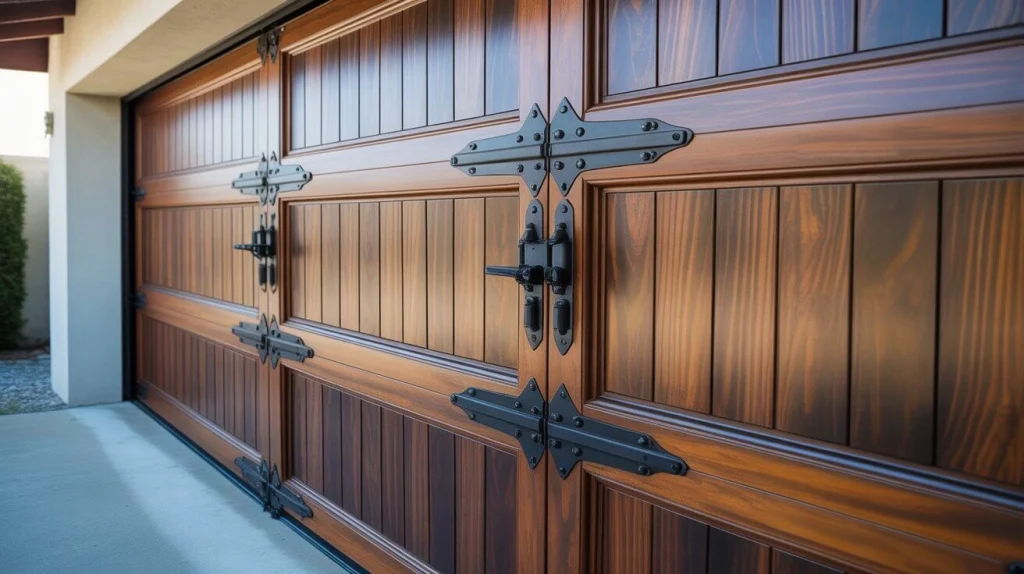
High-quality wood doors are surprisingly durable when properly maintained. With the right protective finishes, they can withstand the elements for years. Unlike hollow-core doors, solid wooden doors offer better structural strength and can endure regular use without sagging or warping easily.
4. Eco-Friendly Choice
For environmentally conscious homeowners, wooden garage door are a greener option. Wood is a renewable resource, and many manufacturers source timber from sustainable forests. Additionally, wooden doors are biodegradable at the end of their life cycle, reducing environmental impact.
Disadvantages of Wooden Garage Doors
While wooden garage doors have many advantages, it’s important to be aware of their potential drawbacks.
1. Maintenance Requirements
Wooden garage doors require regular maintenance to keep them looking and functioning well. This includes periodic staining, sealing, or painting to protect against moisture and sun damage. Neglecting maintenance can lead to warping, cracking, or fading.
Pro tip: For long-lasting performance, I recommend inspecting your wooden doors twice a year and applying a protective finish as needed.
2. Cost Considerations
Wooden doors are generally more expensive than steel or aluminum options. Custom designs and high-quality hardwoods can drive the price even higher. However, the investment often pays off in the form of increased curb appeal and long-term durability.
3. Weight and Installation
Wooden doors are heavier than other materials, which means installation requires sturdy hardware and professional expertise. If the door isn’t properly balanced or the opener isn’t rated for the weight, it can lead to operational issues over time.
4. Insulation and Energy Efficiency
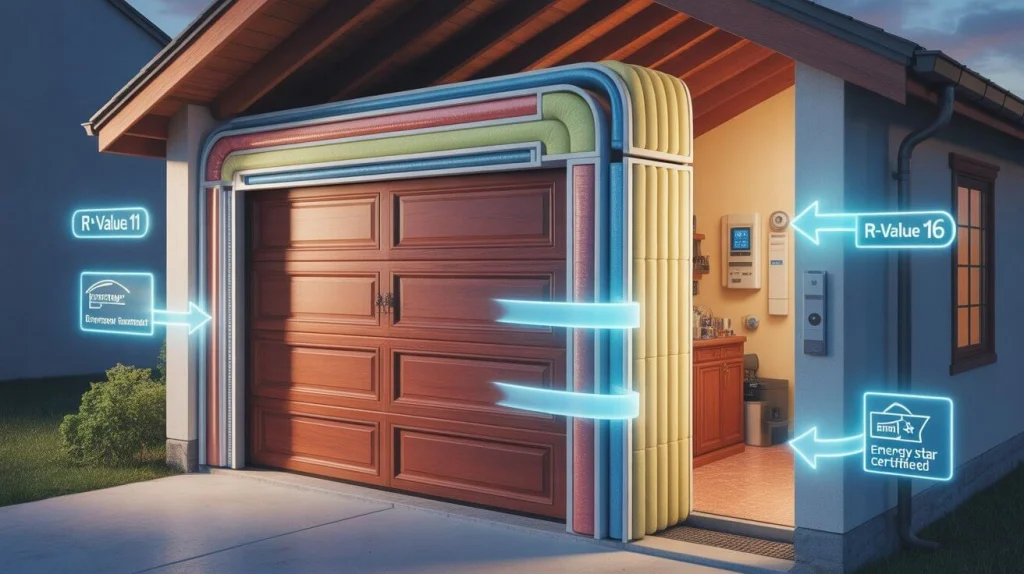
Solid wood doors naturally have some insulating properties, but they may not provide the same energy efficiency as modern insulated steel doors. Homeowners in extreme climates should consider adding insulation or pairing their wooden door with a thermal garage door opener for better energy efficiency.
5. Pest Vulnerability
Wood is susceptible to termites and other pests if not properly treated. Regular inspections and the use of treated wood can mitigate this risk.
How to Maintain Wooden Garage Doors
Maintaining wooden garage doors doesn’t have to be complicated. Here are some practical steps based on my years of experience:
- Regular Cleaning: Wash the door at least twice a year to remove dirt and prevent mold or mildew buildup.
- Inspect for Damage: Look for cracks, chips, or warping. Early detection can prevent bigger problems.
- Seal and Stain: Apply a high-quality wood sealant or stain every 2–3 years to protect against UV rays and moisture.
- Lubricate Hardware: Hinges, springs, and rollers should be lubricated annually to ensure smooth operation.
- Check Alignment: Ensure the door is properly balanced to prevent strain on the opener and reduce wear on the door.
Real-Life Case Study: Transforming a Home with Wooden Garage Doors
Last summer, a family in Dallas contacted me to replace their old steel garage doors with something more visually appealing. They wanted a door that not only matched their traditional architecture but also increased their home’s resale value.After discussing several options, we installed custom wooden garage doors with decorative windows and carriage-style panels. The transformation was remarkable:
- The family noticed an immediate boost in curb appeal, with neighbors complimenting the new look.
- Over the next year, they reported no issues with warping or functionality because they followed the recommended maintenance schedule.
- The family appreciated the natural warmth and elegance that only wood could provide, making their garage feel like an extension of their home rather than just a functional space.
This case reinforced my belief that, with proper care, wooden garage door offer unmatched beauty and value.
Final Thoughts

Wooden garage doors are more than just functional barriers—they are a statement of style, craftsmanship, and quality. By understanding the pros and cons, homeowners can make informed decisions that balance aesthetics, durability, and maintenance requirements.Whether you’re looking for timber garage doors with rich character or exploring custom wooden garage door for a personalized touch, investing in quality wood can enhance both the appearance and value of your home.Remember, a well-maintained wooden garage door is not just an investment in your property—it’s an investment in lasting beauty and reliability. for more information visit our website https://garagehomerepair.com
FAQs
What wood is best for garage doors?
Cedar, mahogany, and redwood are top choices for durability, beauty, and resistance to rot.
Are wooden garage doors more expensive?
Yes, wooden garage doors cost more than steel or aluminum but add lasting curb appeal and value.
How long do wooden garage doors last?
With proper maintenance, wooden garage doors can last 20–30 years or more.
Do garage doors increase home value?
Yes, quality wooden garage doors boost curb appeal and can increase your home’s resale value.

Monica, the tech-savvy genius, knows how to add a modern touch to your garage. With her help, you can turn your garage into a high-tech paradise.