When it comes to home safety, many homeowners overlook one of the simplest yet most crucial devices in their garage: the garage door sensor. These small sensors may seem insignificant, but they act as silent guardians, ensuring your garage door opens and closes safely while protecting your family and property. As a garage home repair expert, I’ve seen firsthand how faulty sensors can lead to accidents, costly repairs, and frustration. In this article, I’ll walk you through how garage door sensors work, signs they’re malfunctioning, troubleshooting tips, and real-life examples to help you safeguard your home.
Content
What Is a Garage Door Sensor and How Does It Work?
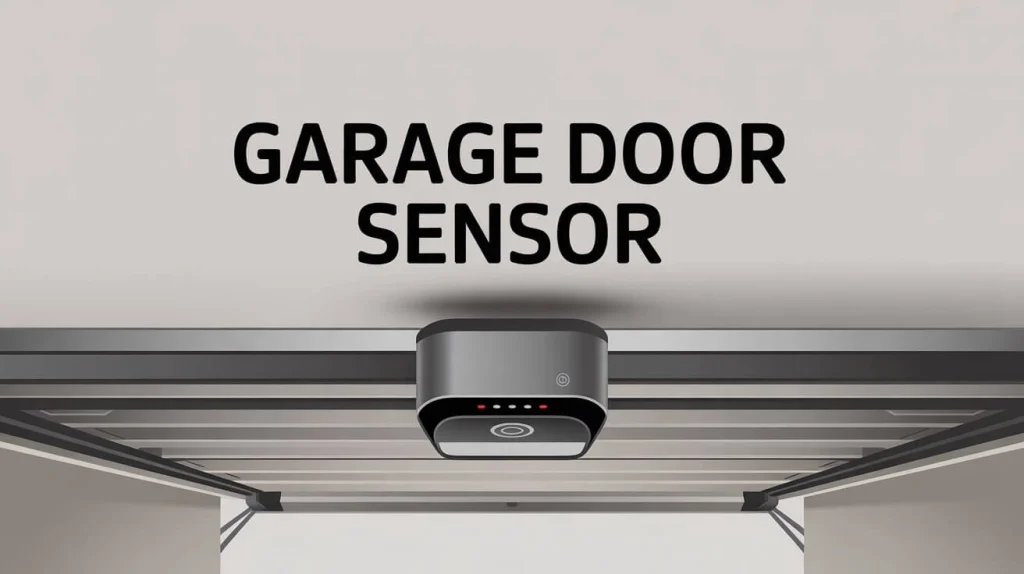
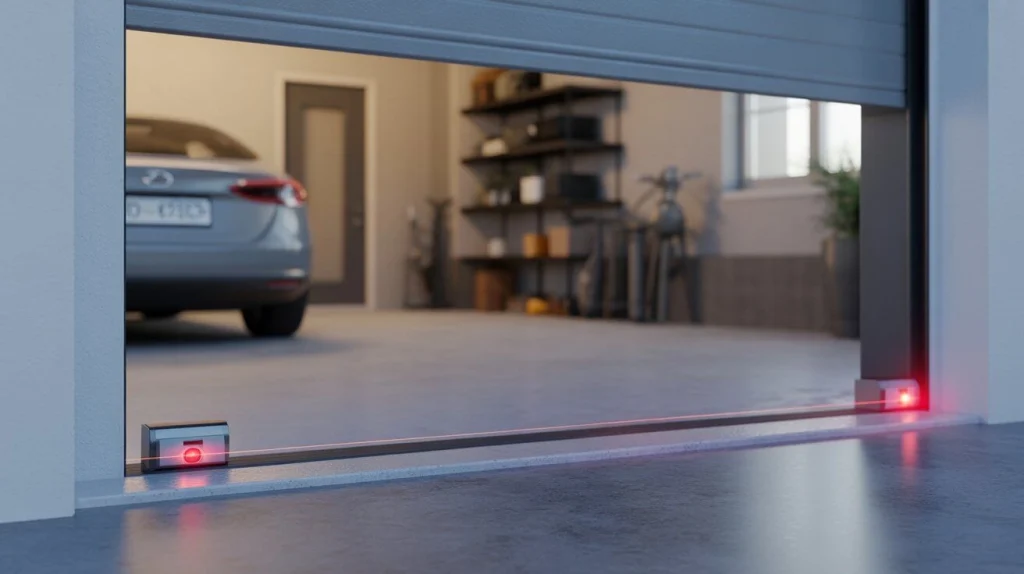
A garage door sensor is a safety device installed on either side of the garage door near the floor. Its primary function is to detect obstructions in the path of the closing door. Most modern sensors use infrared technology, sending an invisible beam across the garage doorway. If this beam is interrupted by an object—like a child, pet, or car—the door automatically stops closing and reverses.
These sensors are not just convenient; they are legally required for all new residential garage door installations. Without them, a simple oversight could lead to serious accidents. In my years of experience, I’ve found that homeowners who regularly maintain their sensors encounter far fewer garage accidents and equipment malfunctions.
Common Signs of a Malfunctioning Garage Door Sensor
Recognizing a malfunctioning garage door sensor early can save you time, money, and potentially prevent injuries. Here are some frequent warning signs:
Misaligned Sensors
One of the most common causes of sensor failure is misalignment. Over time, vibrations from the garage door opener or minor bumps can shift the sensor, causing it to stop working correctly. If your garage door opens but reverses without obstruction, the sensors might need realignment.
Inconsistent Operation and False Alarms
If your garage door occasionally stops mid-way or reverses unexpectedly, this could indicate sensor issues. Factors like dirt, spider webs, or dusty lenses can block the infrared beam. Regularly cleaning your sensors with a soft cloth can prevent this problem.
Physical Damage and Wear
Sensors can wear out due to environmental exposure, accidental hits, or electrical faults. Look for cracked housing, frayed wires, or loose connections. In some cases, replacement is the safest and most cost-effective solution.
How Long Do Garage Door Sensors Last?
Most garage door sensors are built to last between 5–10 years with proper maintenance. However, the lifespan can vary depending on factors like:
- Frequency of use
- Environmental conditions (humidity, temperature fluctuations)
- Quality of the sensor model
During one of my service calls, I encountered a sensor that failed after just three years because it had been installed in a garage with heavy humidity and poor ventilation. After replacing it with a weather-resistant model, the homeowner experienced flawless operation for years.
Troubleshooting Your Garage Door Sensor
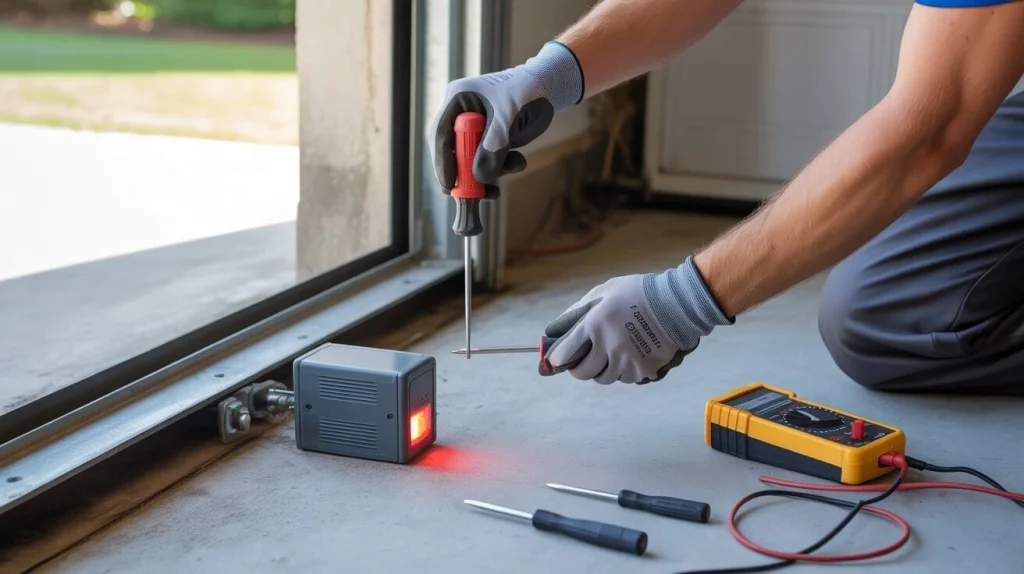
Before calling a professional, there are a few troubleshooting steps you can try:
- Check Alignment: Ensure both sensors face each other and the LED lights indicate proper alignment.
- Clean the Sensors: Wipe the lenses with a soft, dry cloth to remove dust or cobwebs.
- Inspect Wiring: Look for loose or frayed wires. Repair or replace as needed.
- Test the Door: After adjustments, operate the door a few times to confirm proper function.
For more advanced issues, such as frequent false reversals, it’s best to consult a professional to avoid damaging your garage door opener.
When to Replace Your Garage Door Sensors
While troubleshooting can fix many minor issues, sensors eventually wear out. Here’s when replacement is necessary:
- The door consistently fails to close even after cleaning and alignment
- LED indicators on the sensors remain unlit
- Wires are severely damaged or corroded
- The sensor model is outdated and incompatible with modern garage door openers
Replacing your sensor is typically a straightforward and cost-effective fix compared to repairing a malfunctioning garage door opener.
Real-Life Case Study: How a Faulty Sensor Almost Caused an Accident
Last year, I was called to a suburban home where a teenager’s bicycle was trapped under the garage door. Thankfully, the garage door sensor partially detected the obstruction, but the door had already caused damage to the bike. Upon inspection, the sensors were misaligned and dusty, and the homeowner hadn’t tested them in over a year. After cleaning and realigning the sensors, we performed a full safety check and tested the system with a weighted object.This situation highlights why regular garage door sensor maintenance is critical. Small preventive steps can avert accidents and costly repairs.
Preventative Measures to Extend Sensor Life
Here are some actionable tips I always share with homeowners to ensure their sensors last longer and operate safely:
- Regular Cleaning: Wipe the lenses monthly to prevent dust accumulation.
- Periodic Testing: Close the door with a small object in the path to ensure it reverses properly.
- Check Alignment: Inspect the sensors after any garage door repairs or after minor impacts.
- Weather Protection: For garages exposed to extreme temperatures or moisture, consider weather-resistant sensor models.
Incorporating these simple steps into your routine maintenance plan will help avoid sudden failures and keep your garage door operating safely.
Choosing the Right Garage Door Sensor
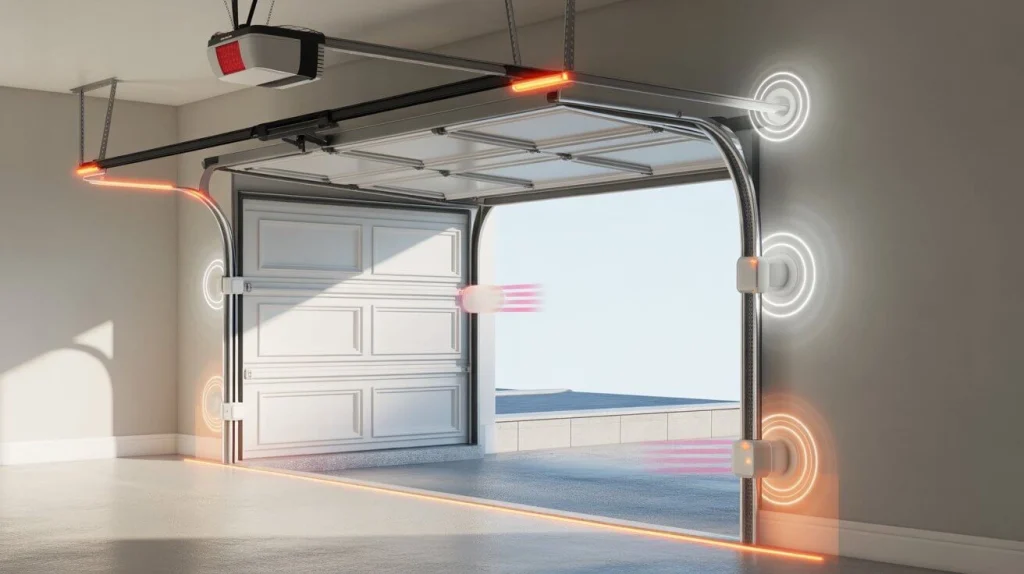
Not all sensors are created equal. When upgrading or replacing sensors, consider the following:
- Compatibility with Your Garage Door Opener: Ensure the sensor matches your door system.
- Infrared vs. Motion Sensors: Infrared is standard, but motion-sensitive models add extra security.
- Quality and Warranty: Opt for reputable brands offering warranties to protect your investment.
As a repair expert, I recommend always choosing sensors certified for safety compliance. This ensures both functionality and peace of mind.
Conclusion
A garage door sensor may be a small component, but it plays a major role in keeping your home safe and your garage door functioning smoothly. By understanding how it works, recognizing the signs of malfunction, performing regular maintenance, and knowing when to replace it, you can prevent accidents and save money on repairs.
Just as a reliable garage door lock protects your home from intruders, a properly functioning sensor safeguards your family and property from accidental harm. Remember the real-life case we discussed: a little oversight could have caused serious damage. Treat your sensors with the care they deserve—they are silent protectors of your home.
FAQs
What do garage door sensors do?
Garage door sensors detect obstructions and stop the door from closing, keeping your home and family safe.
Can I replace my garage door sensors?
Yes, sensors can be replaced easily. Choose a compatible model and follow the installation guide or hire a professional.
How do I reset the sensors on my garage door?
Reset sensors by turning off power, realigning them, and testing the door to ensure the beam is clear.

Monica, the tech-savvy genius, knows how to add a modern touch to your garage. With her help, you can turn your garage into a high-tech paradise.