Your garage door is more than just a convenient entryway—it’s a critical part of your home’s security. Many homeowners overlook the importance of a reliable garage door lock, leaving their homes vulnerable to intruders. Understanding the types of locks, their benefits, and how to install and maintain them can make a big difference in home safety and peace of mind.

Content
Why a Garage Door Lock Matters
A secure garage door prevents unauthorized access, protects valuable items stored in your garage, and even safeguards the main entrances to your home. From my years of experience in garage home repair, I’ve seen how small oversights, like a faulty lock, can compromise safety.Installing a garage door lock is not just about security—it’s also about convenience and confidence. Whether you’re leaving for vacation or heading out for work, knowing your garage is secure gives peace of mind that you and your family are safe.
Types of Garage Door Locks
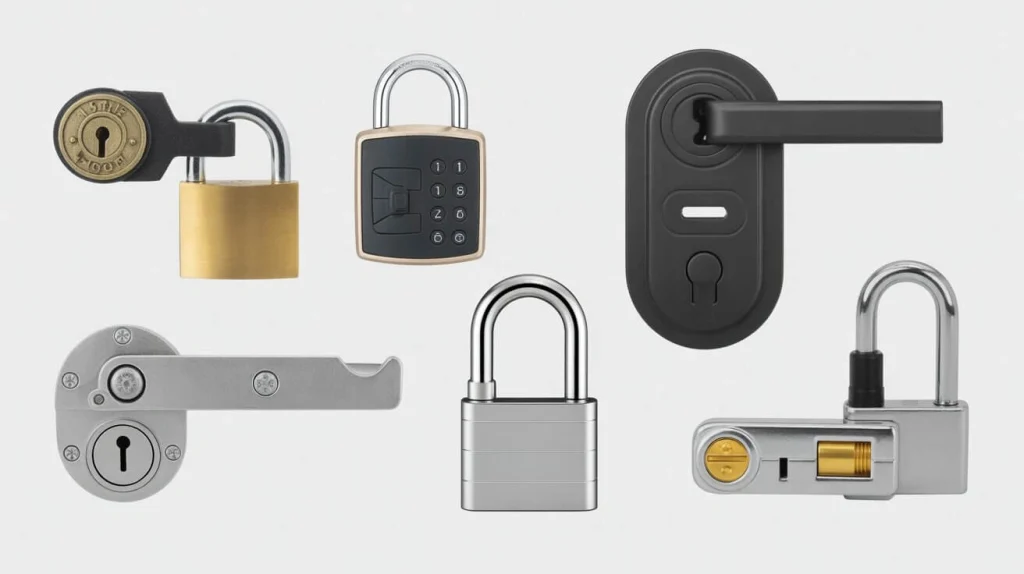
Choosing the right lock depends on your garage setup, security needs, and budget. Here are the most common types:
1. Manual Locks
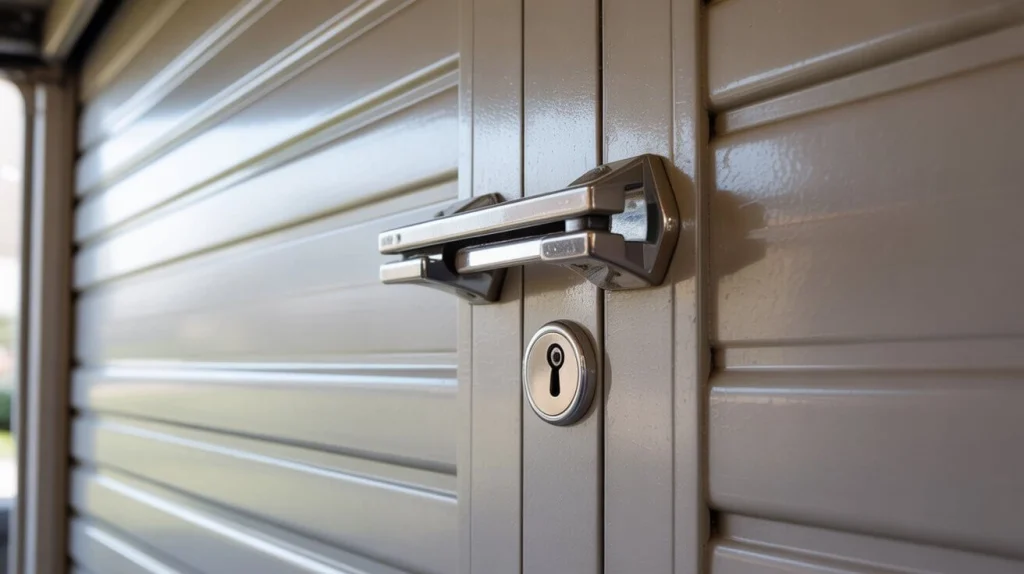
Manual locks are the traditional option for many homeowners. They are simple, reliable, and don’t require electricity. These include slide locks or handle locks that secure the door in place.
Pros: Affordable, easy to use, low maintenance
Cons: Must be locked/unlocked manually, can be forced if not reinforced
2. Keyed Locks
Keyed locks require a physical key to operate and provide an extra layer of security. They are often used on swing-out or sectional doors.
Pros: Strong security, resistant to casual tampering
Cons: Keys can be lost, require periodic maintenance
3. Electronic and Smart Locks
Modern smart locks offer remote access via apps or keypads. Some can even integrate with home automation systems for enhanced security.
Pros: Convenient, allows monitoring, ideal for multiple users
Cons: Higher initial cost, may require battery replacements
4. Slide and Deadbolt Locks

These locks physically block the door’s movement, making them extremely secure. They are often paired with other types for maximum protection.
Pros: Highly secure, difficult to force open
Cons: Installation may require professional help
Benefits of Installing a Garage Door Lock
Investing in a garage door lock comes with multiple advantages:
- Enhanced Security: Prevents unauthorized entry and protects valuable items.
- Peace of Mind: Knowing your garage is secure reduces stress and worry.
- Theft Deterrence: Visible locks discourage potential intruders.
- Extended Lifespan of Door: Locks can prevent unnecessary wear from forced movements or tampering.
Garage Door Lock Installation: DIY vs Professional
Installing a garage door lock can be straightforward, but some types require professional expertise. From my experience in garage home repair, proper installation ensures the lock functions correctly and doesn’t compromise the door’s operation.
DIY Installation:
- Suitable for manual slide locks or basic keyed locks
- Requires basic tools like screwdrivers, drills, and measuring tape
- Follow manufacturer instructions carefully
Professional Installation:
- Recommended for electronic, smart, or complex deadbolt locks
- Ensures proper alignment and secure mounting
- Prevents damage to the door or misalignment of components
Maintenance Tips for Long-Lasting Security
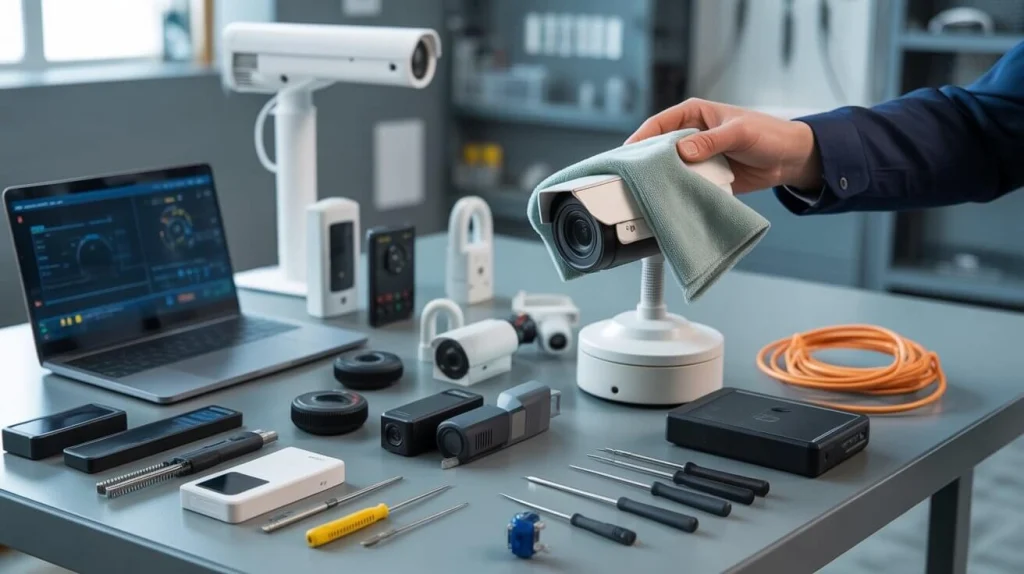
Even the best locks require regular upkeep to function effectively. Here are some tips from real-world experience:
- Inspect the lock and its components every few months
- Lubricate moving parts with silicone spray or graphite powder
- Test electronic locks monthly to ensure batteries and sensors are working
- Tighten screws and bolts periodically to prevent loosening
Proper maintenance not only prolongs the lock’s lifespan but also reduces the risk of unexpected repair costs.
Real-Life Case Study: How a Garage Door Lock Prevented a Break-In
A homeowner, Mark, in Phoenix experienced an attempted garage break-in while he was on vacation. Luckily, his smart garage door lock prevented the intruder from entering. Mark’s decision to invest in a high-quality electronic lock saved him from property loss and gave him peace of mind.From my perspective as a garage home repair expert, this case highlights the importance of choosing the right lock type and ensuring it’s properly installed and maintained.
Additional Security Tips
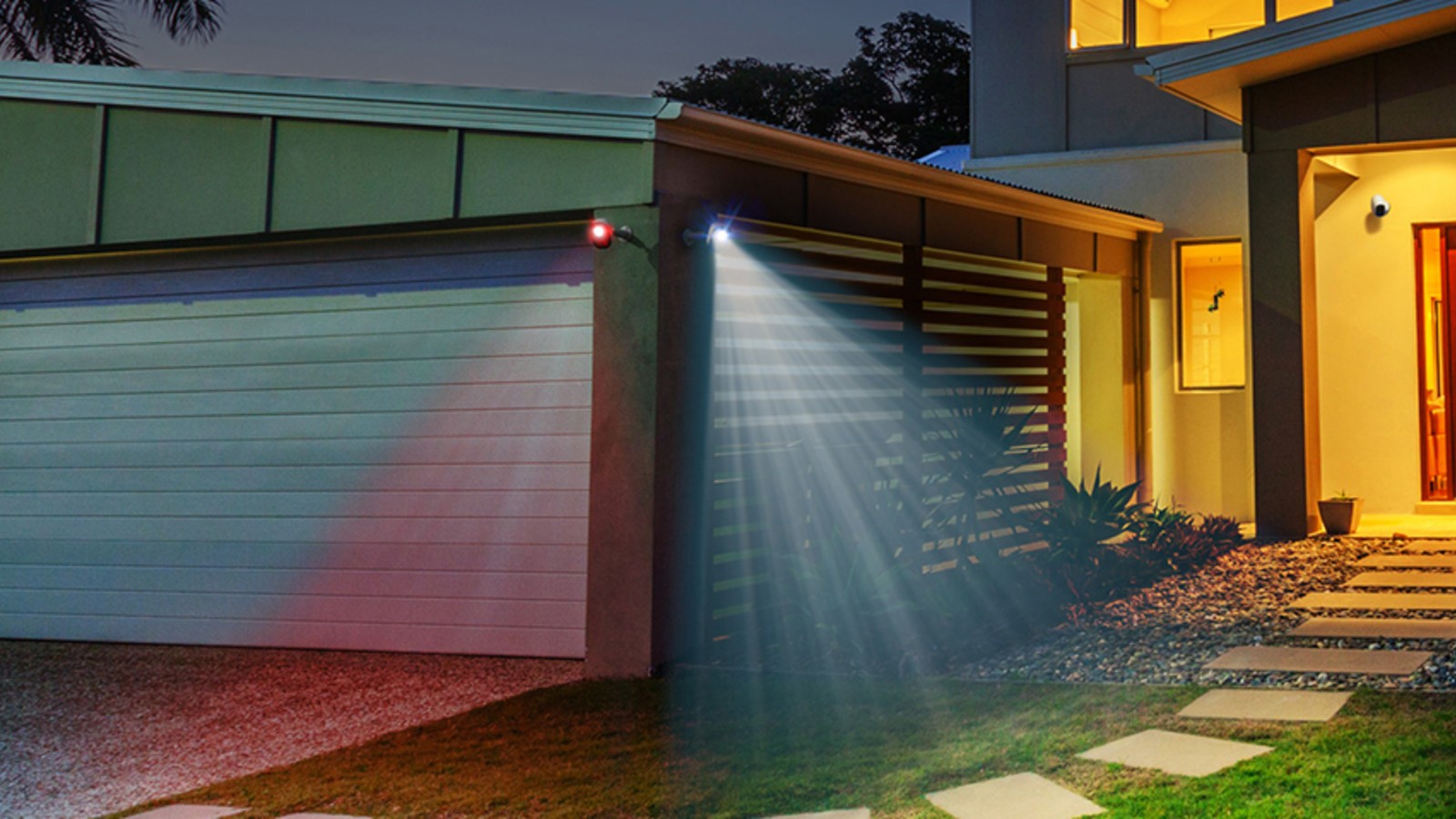
- Install motion-sensor lights near the garage
- Use security cameras for real-time monitoring
- Reinforce the door frame to resist forced entry
- Combine locks with smart technology for remote alerts
These measures complement a strong garage door lock and create a comprehensive home security system.
Conclusion
A garage door lock is a small investment that offers significant protection. From manual to smart locks, choosing the right type, ensuring proper installation, and performing regular maintenance can save homeowners from costly repairs, theft, and stress. Whether you’re securing modern setups or Wooden garage doors, understanding your options and taking proactive steps ensures your home remains safe, functional, and secure.
FAQs
Can I replace my garage door lock myself?
Yes, for manual or basic keyed locks, but professional installation is recommended for smart or electronic locks.
How to lock a garage door manually without power?
Use a slide lock or deadbolt to secure the door when the opener is not functional.
Do garage doors lock automatically?
Some smart and electronic locks engage automatically, but manual locks need to be secured by hand.
How to make a garage burglar proof?
Combine a strong garage door lock, motion-sensor lights, security cameras, and reinforced door frames.

Monica, the tech-savvy genius, knows how to add a modern touch to your garage. With her help, you can turn your garage into a high-tech paradise.